

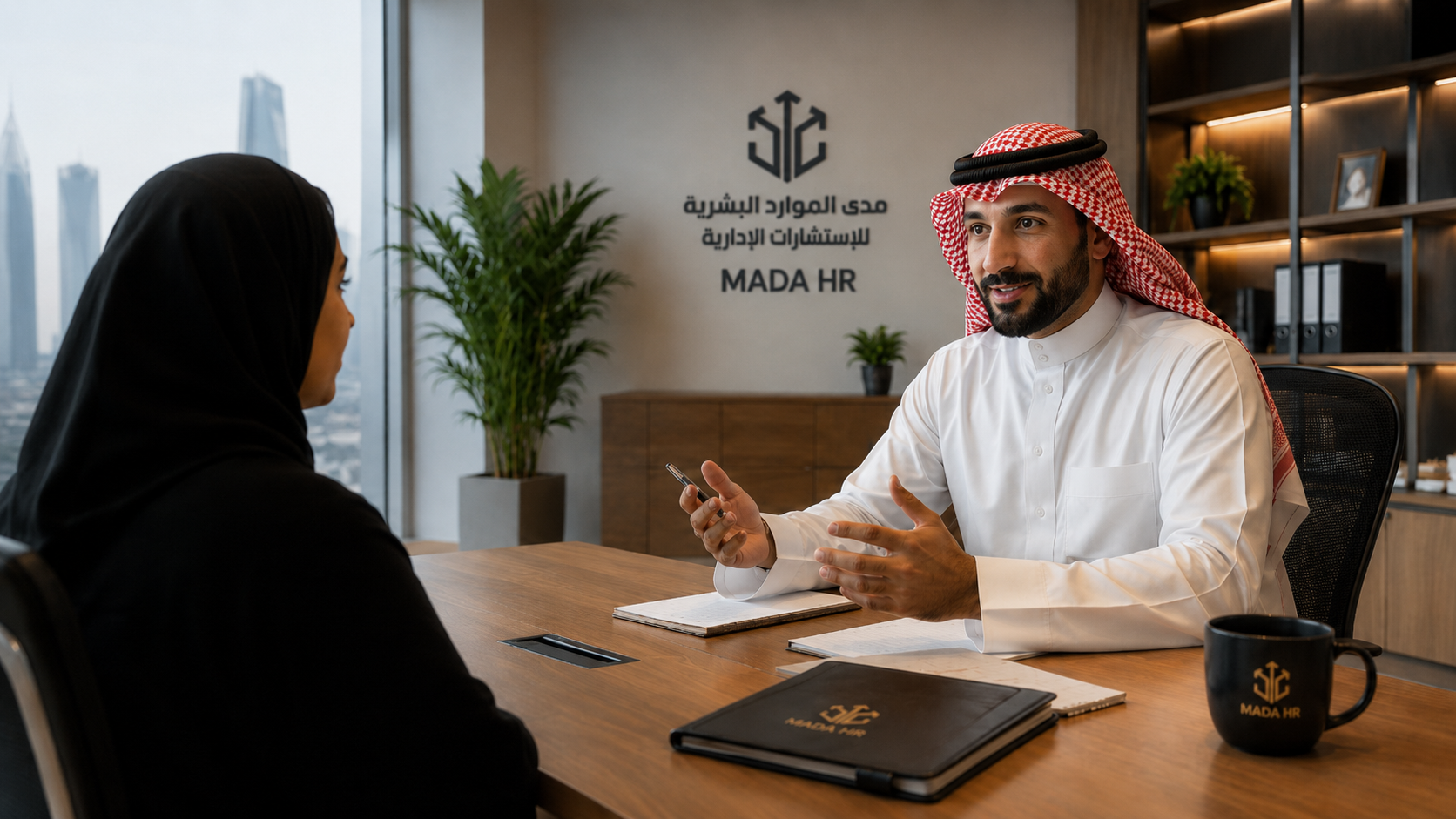
Introduction
An interview is more than answering questions—it’s your opportunity to demonstrate how your experience, skills, and mindset align with the employer’s needs. Based on thousands of candidate assessments, here are five practical tips that consistently make a difference.
1. Research the Company Before You Arrive
Understand:
- What the company does.
- Its products or services.
- Industry challenges.
- Recent news and achievements.
- The role you’re applying for.
Hiring managers immediately notice candidates who understand the business.
Pro Tip:
Prepare one thoughtful question about the company’s future or strategy.
2. Use Real Examples Instead of General Statements
Instead of saying:
“I’m a good leader.”
Say:
“I managed a team of 12 sales consultants, increased revenue by 18% within one year, and reduced employee turnover by introducing weekly coaching sessions.”
Employers hire evidence—not opinions.
3. Know Your CV Inside Out
Be prepared to explain:
- Career changes.
- Employment gaps.
- Promotions.
- Major achievements.
- Lessons learned from challenges.
Everything on your CV should be supported with a clear story.
4. Show How You Solve Problems
Most employers are looking for people who can think through challenges.
When answering questions, explain:
- The situation.
- Your role.
- What action you took.
- The result.
- What you learned.
A structured answer demonstrates analytical thinking and professionalism.
5. Finish Strong
Before leaving the interview:
- Thank the interviewer.
- Reconfirm your interest in the role.
- Briefly explain why you believe you’re a good fit.
- Ask about the next steps.
First impressions matter—but so do last impressions.
Final Thought
Preparation builds confidence. Candidates who understand the role, communicate with evidence, and demonstrate a positive, professional attitude consistently perform better in interviews.
At CERIC, we evaluate candidates on more than experience. We look at capability, behavioural fit, communication, and long-term potential to help connect professionals with the right opportunities.